How to Build a Raised Bed Garden
Summary: Raised bed gardens are a simple way to grow vegetables, herbs, and small fruits in small spaces or poor soil conditions. With good design and proper soil preparation, raised beds can improve drainage, simplify maintenance, and increase productivity.
Why Raised Bed Gardening Works
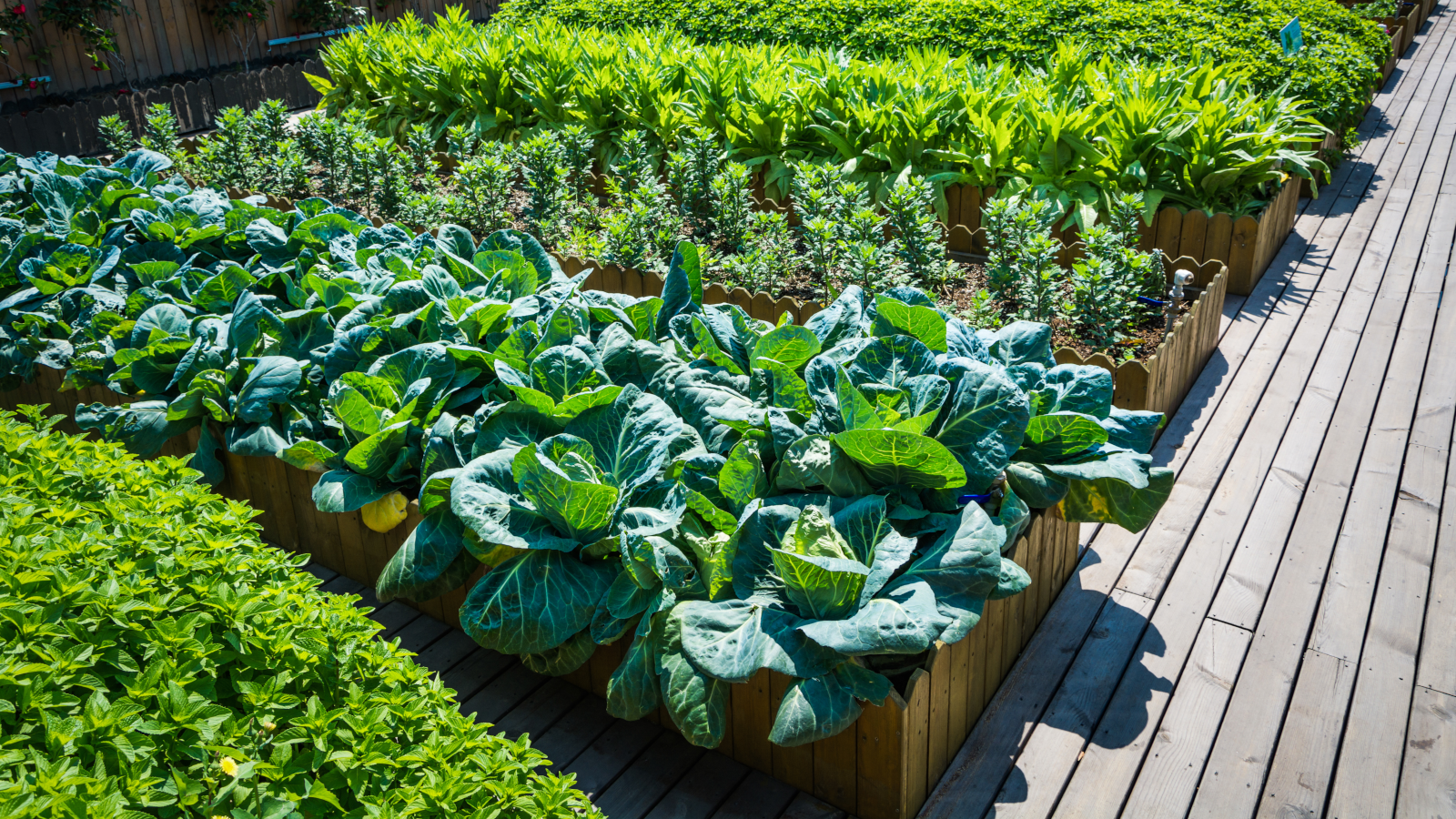
Raised beds are planting areas built above the natural soil level and typically framed with materials such as wood, stone, or composite boards. They allow gardeners to control soil quality, improve drainage, and make garden maintenance easier.
Raised beds are especially useful when the native soil is compacted, poorly drained, or low in organic matter. By filling beds with a carefully prepared growing mix, gardeners can create better conditions for root growth and plant health. :contentReference[oaicite:0]{index=0}
Additional benefits include:
- Better soil drainage and aeration
- Improved soil temperature in spring
- Easier access for planting, watering, and harvesting
- Reduced soil compaction because gardeners do not walk in the bed
Choosing the Right Size
Raised beds should be sized so plants can be reached easily from the sides.
Typical recommendations include:
- 4 feet wide if the bed can be reached from both sides
- 2–3 feet wide if the bed is accessible from only one side
- 6–12 inches deep for most vegetable crops
Shallow-rooted crops such as lettuce, spinach, and kale can grow in beds as shallow as 4–6 inches, but deeper-rooted plants like tomatoes and peppers perform better in deeper beds. :contentReference[oaicite:1]{index=1}
Length can vary depending on available space, but beds between 6 and 12 feet long are common for home gardens.
Materials for Building Raised Beds
Raised beds can be constructed from many different materials. The goal is to create a sturdy frame that holds soil in place and lasts several growing seasons.
Common materials include:
- Untreated or modern pressure-treated lumber
- Recycled composite boards
- Metal raised bed kits
- Concrete blocks or stones
Higher-quality materials may cost more initially but often last longer and require less maintenance.
Preparing the Soil Mix
A successful raised bed depends heavily on good soil.
Many raised beds are filled with a mixture of organic matter and mineral soil that allows roots to grow freely while still holding moisture and nutrients.
Examples of suitable soil blends include:
- Equal parts peat moss, compost, and vermiculite (commonly used in square-foot gardening systems) :contentReference[oaicite:2]{index=2}
- A mix containing roughly 50% mineral soil and 50% organic matter, such as compost and peat moss :contentReference[oaicite:3]{index=3}
Organic matter improves soil structure, supports beneficial microbes, and increases the soil’s ability to retain water and nutrients.
Over time, adding compost between planting cycles helps replenish nutrients.
Planting in Raised Beds
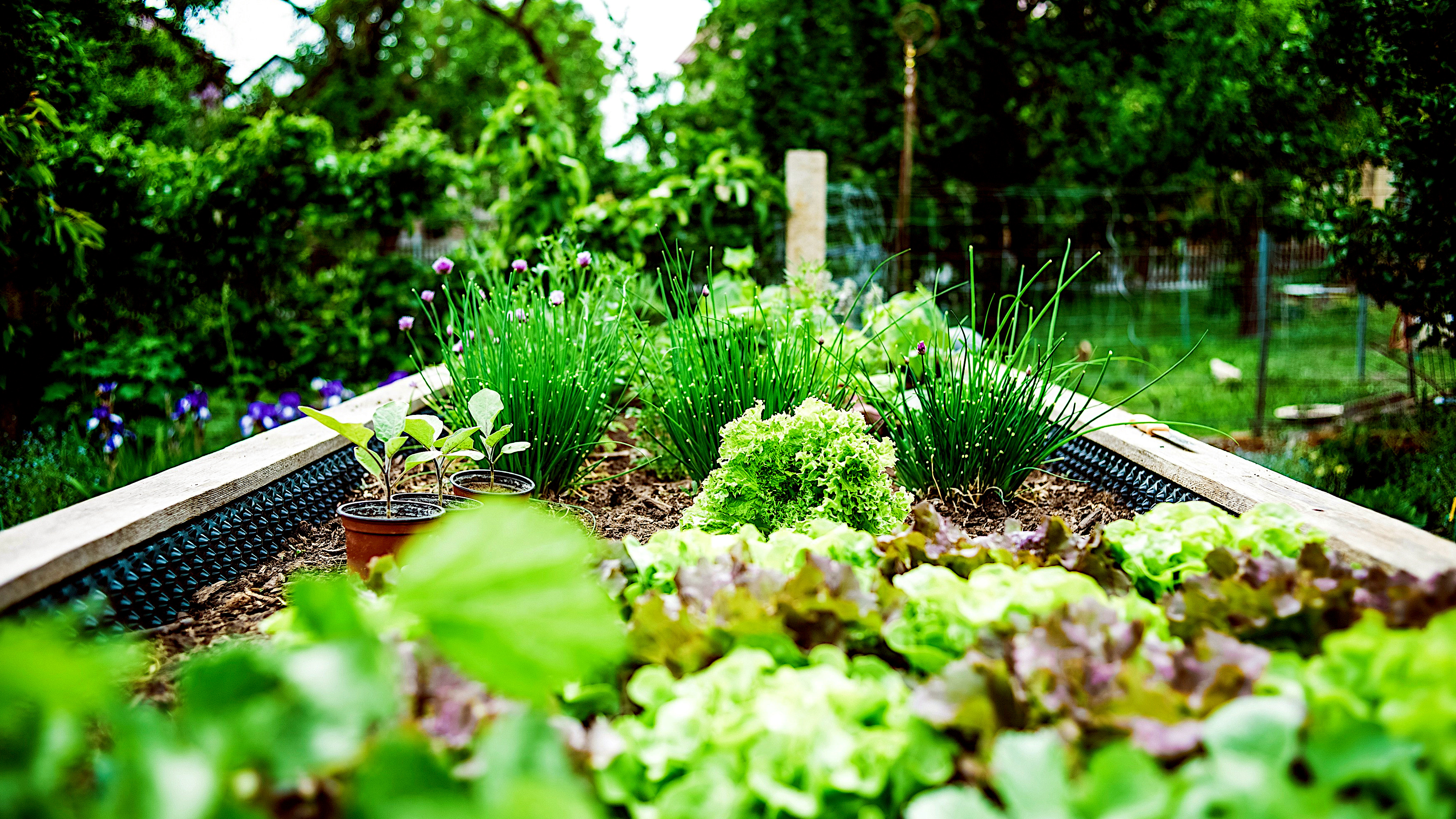
Raised beds work well for a wide range of crops, especially vegetables that benefit from good drainage and loose soil.
Popular choices include:
Spring crops
- Lettuce
- Radishes
- Beets
- Swiss chard
Summer crops
- Bush beans
- Peppers
- Determinate tomatoes
- Cucumbers (trellised)
Fall crops
- Cabbage
- Kale
- Spinach
- Carrots
Small fruit crops such as strawberries or compact berry bushes can also be grown successfully in raised beds. :contentReference[oaicite:4]{index=4}
Watering and Maintenance
Raised beds drain more quickly than in-ground gardens, which means they often need more frequent watering and fertilization.
Helpful maintenance practices include:
- Adding compost each season to maintain soil fertility
- Installing mulch to reduce moisture loss
- Monitoring irrigation during hot weather
- Rotating crops to reduce disease and pest pressure
Deeper beds can help retain water longer and reduce the frequency of watering. :contentReference[oaicite:5]{index=5}
Safety and Food Quality Note
Homegrown vegetables from raised beds are typically safe and nutritious, but they are not inspected by government agencies. Always wash produce thoroughly before eating or sharing with others.
Quick Recap
- Raised beds improve soil conditions and drainage.
- Beds are typically 4 feet wide and 6–12 inches deep.
- Fill beds with high-quality soil mixes rich in organic matter.
- Many vegetables and small fruits grow well in raised beds.
- Because raised beds drain quickly, they may require more frequent watering.
With thoughtful planning and good soil preparation, raised beds can produce healthy vegetables and make gardening easier for beginners and experienced growers alike.
Source:
University of Tennessee Extension. The Tennessee Vegetable Garden: Building and Using Raised Beds (W346-E). :contentReference[oaicite:6]{index=6}