Summary: A productive vegetable garden begins long before the first seed is planted. Choosing the right location, preparing soil, and selecting crops suited to your climate and space can dramatically improve harvests and reduce common gardening frustrations.
Start with the Right Location
Location is one of the most important decisions when planning a vegetable garden. Most vegetables require at least 6–8 hours of direct sunlight each day to grow and produce well.
Look for an area that receives full sun for most of the day and has good air circulation. Avoid planting near large trees or shrubs that compete for sunlight, water, and nutrients.
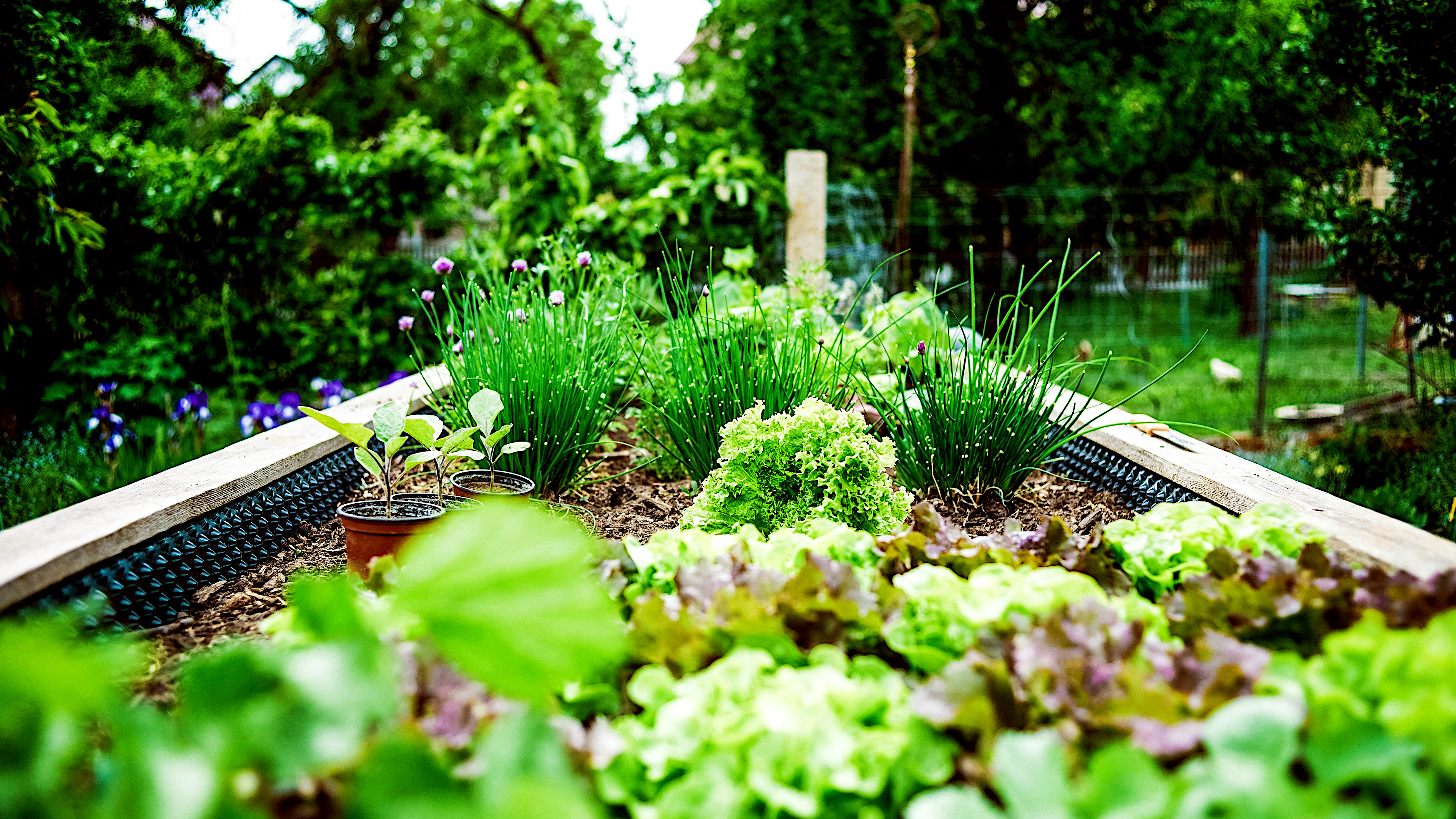
Good drainage is also essential. Vegetables generally do not tolerate standing water, which can damage roots and promote plant diseases. If your yard has heavy clay soil or poor drainage, consider building raised beds to improve growing conditions.
Convenience matters as well. Gardens placed near the house or along frequently used paths tend to receive more regular care and watering.
Understand Your Soil
Healthy soil supports strong root systems and productive plants. Good garden soil typically contains a balance of mineral particles, organic matter, water, and air.
Before planting, it is helpful to understand your soil's condition. Soil that is compacted or low in organic matter may benefit from improvements such as:
- Compost
- Leaf mold
- Well-rotted manure
- Other organic amendments
These materials improve soil structure, allowing roots to grow more easily and helping soil retain moisture while still draining properly.
A soil test is another useful step. Many university extension offices offer soil testing services that measure nutrient levels and soil pH. The results help gardeners determine whether fertilizer or lime is needed.
Choose Crops That Match Your Space
Not every vegetable needs the same amount of room. Planning ahead helps prevent overcrowding and makes it easier to care for plants.
Some vegetables grow compactly and fit well in small gardens:
- Lettuce
- Spinach
- Radishes
- Green onions
Others need moderate space:
- Peppers
- Bush beans
- Beets
- Swiss chard
Large or spreading plants require more room:
- Tomatoes
- Cucumbers
- Squash
- Pumpkins
Vertical supports such as trellises or cages can help maximize space for vining crops like cucumbers and pole beans.
Plan Around the Seasons
Vegetables grow best when planted at the right time of year. Most gardens include both cool-season crops and warm-season crops.
Cool-season vegetables grow best in mild temperatures and can tolerate light frost.
Examples include:
- Broccoli
- Cabbage
- Lettuce
- Peas
- Spinach
Warm-season vegetables require warm soil and air temperatures.
Examples include:
- Tomatoes
- Peppers
- Cucumbers
- Beans
- Squash
Planting a mix of crops for different seasons allows gardeners to harvest fresh produce throughout much of the year.
Think About Garden Layout
A well-organized garden layout improves access for watering, harvesting, and maintenance.
Some helpful layout tips include:
- Leave walking paths between rows or beds
- Group plants with similar water needs
- Place taller crops where they will not shade smaller plants
- Allow adequate spacing for mature plant size
Raised beds, square-foot gardening systems, and container gardens are popular layout options for small spaces.
Start Small and Expand Later
One of the most common mistakes new gardeners make is planting too much at once. A small, manageable garden is easier to maintain and provides a better learning experience.
As gardening skills improve, additional beds or crops can be added in future seasons.
Starting small also allows gardeners to learn which crops perform best in their local climate and soil conditions.
Quick Recap
- Choose a sunny location with good drainage.
- Improve soil with compost and organic matter.
- Select crops suited to your available space.
- Plant according to seasonal temperature needs.
- Plan an accessible and organized garden layout.
- Begin with a small garden and expand gradually.
Thoughtful planning makes gardening easier and greatly increases the chances of a healthy and productive harvest.
Source:
University of Tennessee Extension — The Tennessee Vegetable Garden Series (W346)
https://utia.tennessee.edu/publications