How to Grow Tomatoes in Tennessee: A Practical Guide for Home Gardeners
Summary: Learn how to successfully grow tomatoes in Tennessee’s climate, including when to plant, how to prepare soil, and tips for producing healthy plants and abundant harvests.
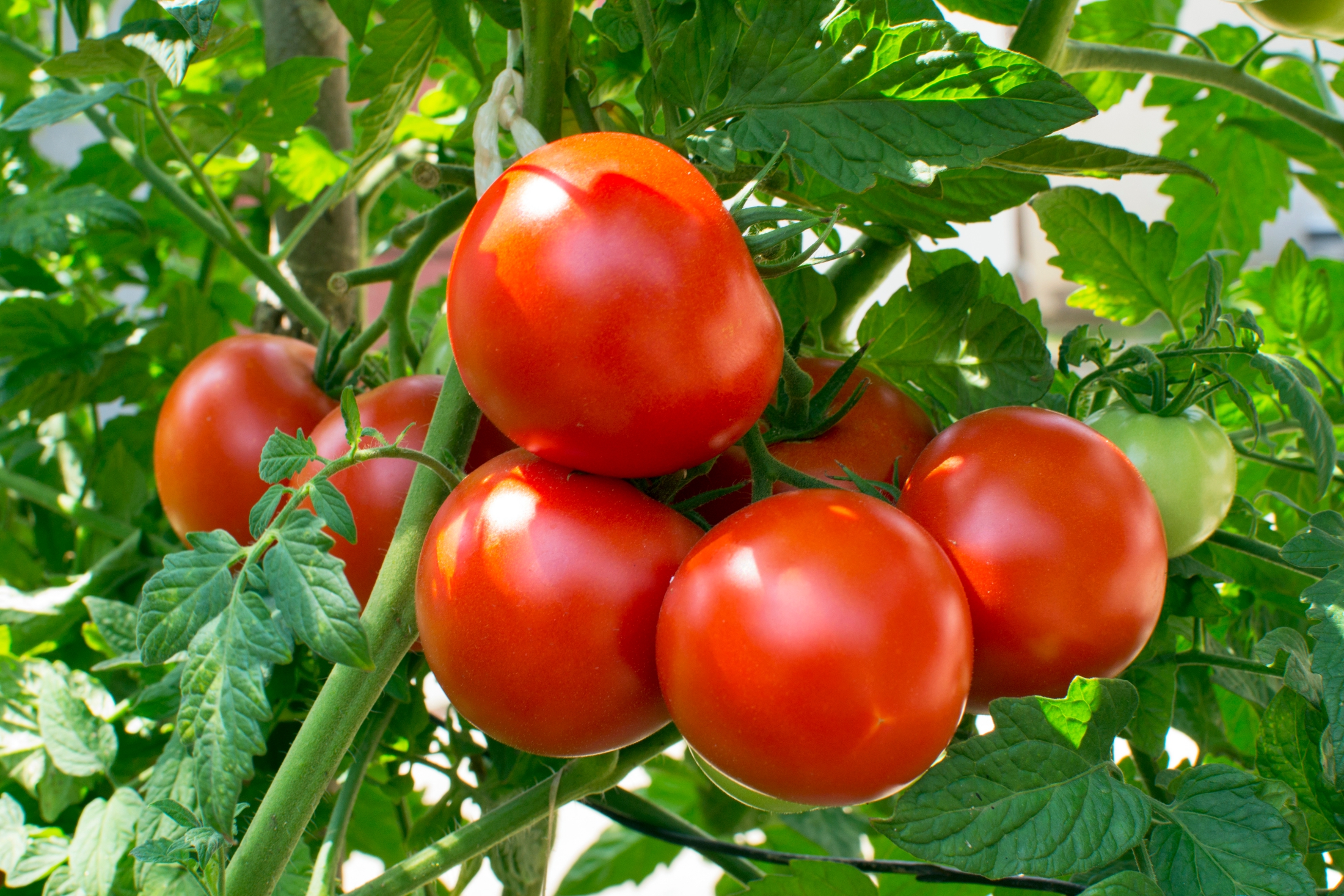
Tomatoes are one of the most rewarding crops for home gardeners in Tennessee. The state’s warm summers and long growing season make it ideal for producing flavorful tomatoes in backyard gardens, raised beds, and containers.
With proper planning, healthy soil, and consistent watering, gardeners across Tennessee can enjoy a steady supply of fresh tomatoes from early summer through late summer.
Choosing the Right Tomato Variety
Tomatoes come in many shapes, sizes, and growth habits. Selecting varieties suited to your garden space and harvest goals can greatly improve success.
Two main tomato types are commonly grown:
Determinate tomatoes
- Grow to a set height
- Produce fruit over a shorter period
- Work well in smaller gardens or containers
Indeterminate tomatoes
- Continue growing and producing fruit throughout the season
- Require cages or stakes for support
- Often provide larger harvests over time
Popular varieties grown successfully in Tennessee include:
- Better Boy
- Celebrity
- Roma
- Cherokee Purple
- Early Girl
Growing multiple varieties can extend your harvest season and reduce the risk of losing all plants to disease or weather problems.
Planting both an early-producing tomato and a mid-season variety can help ensure you harvest tomatoes steadily throughout the summer.
When to Plant Tomatoes in Tennessee
Tomatoes are warm-season plants and should only be planted after the danger of frost has passed.
Typical planting times include:
- Middle and West Tennessee: late April to early May
- East Tennessee: early to mid-May
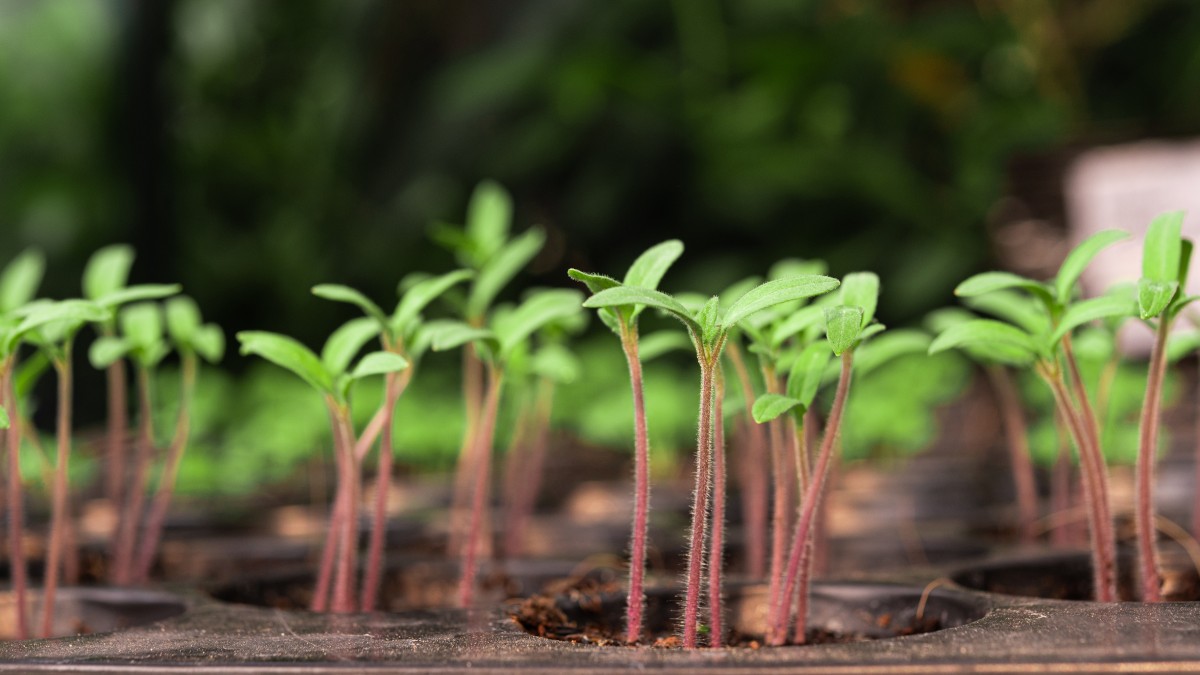
Gardeners often start tomato seeds indoors 6–8 weeks before the final frost date, then transplant seedlings outdoors when the soil warms and nighttime temperatures remain mild.
Starting plants indoors allows gardeners to get a jump on the growing season and produce stronger transplants.
Planting tomatoes too early in cold soil can stunt plant growth and increase disease risk. Wait until soil temperatures warm before transplanting.
Preparing Healthy Garden Soil
Tomatoes grow best in soil that is fertile, well-drained, and rich in organic matter.
Before planting:
- Loosen soil to a depth of about 8–12 inches.
- Mix compost or other organic material into the soil.
- Ensure the garden drains well after rain.
Tomatoes prefer slightly acidic soil with a pH near 6.0–6.8. A soil test can help determine whether additional nutrients or lime are needed.
Healthy soil supports strong root development and improves plant productivity throughout the growing season.
Gardener Tip
Experienced gardeners often plant tomatoes deeper than other vegetables. By removing the lower leaves and burying part of the stem, the plant can develop additional roots along the buried stem.
This helps create a stronger root system that supports healthier plants and improved fruit production.
Quick Recap
- Tomatoes grow best with 6–8 hours of direct sunlight daily.
- Plant tomatoes after the final spring frost when soil warms.
- Use compost-rich soil that drains well.
- Support plants with cages or stakes as they grow.
- Water consistently and apply mulch to conserve moisture.
With proper care and a little patience, tomato plants can reward Tennessee gardeners with a steady supply of delicious fruit throughout the summer growing season.
Source
University of Tennessee Extension
https://utia.tennessee.edu/publications![tomatoes2 ohmlpd]![tomatoes1 ywwreg]