From Garden to Kitchen: Smart Harvesting and Storage for Homegrown Produce
Summary: Knowing when and how to harvest vegetables is just as important as growing them. Proper harvesting techniques and storage methods help maintain flavor, extend shelf life, and reduce waste.
Why Harvest Timing Matters
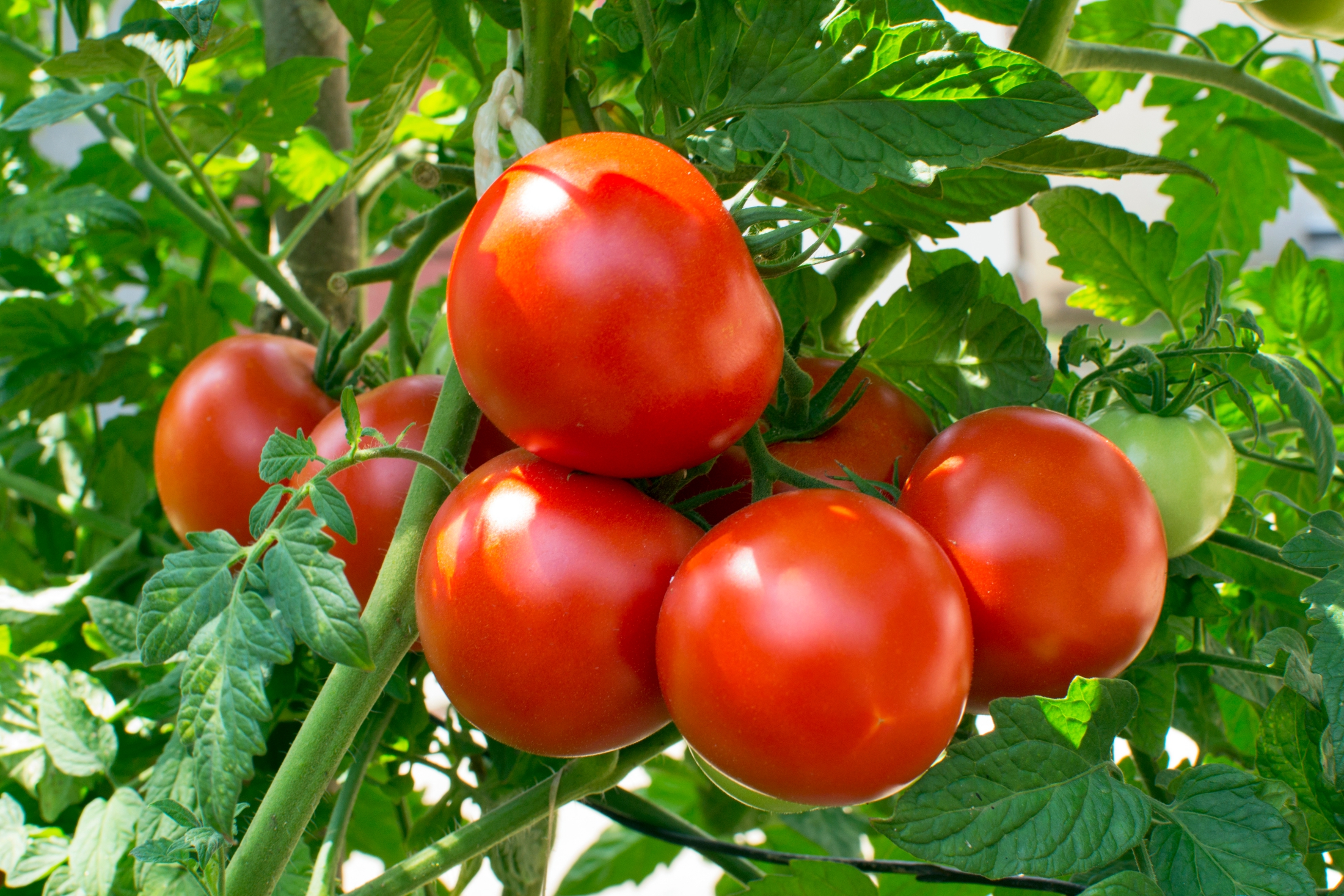
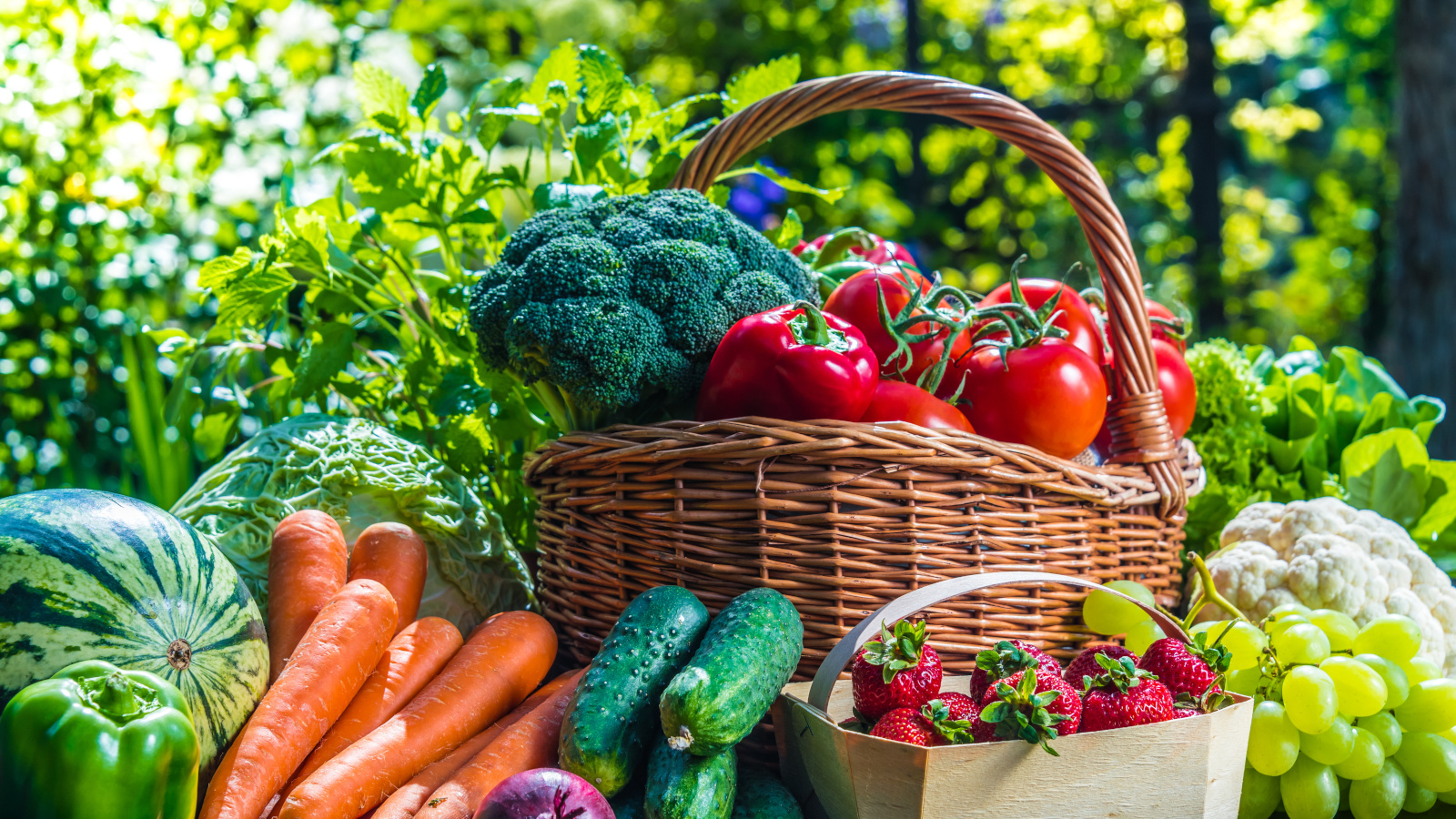
Vegetables and fruits taste best when harvested at the right stage of maturity. Picking crops too early can reduce flavor and size, while waiting too long may lead to tough texture or spoilage.
Timely harvesting also encourages plants to keep producing. Many vegetables — especially beans, cucumbers, squash, and peppers — will produce more fruit when harvested regularly. :contentReference[oaicite:0]{index=0}
Signs that crops are ready often include:
- Proper size and color for the variety
- Firm texture
- Tender skins or pods
- Full flavor development
Checking your garden frequently during peak harvest season helps ensure produce is picked at its best.
Harvesting Tips for Common Vegetables
Different crops require different harvesting approaches.
Examples of harvest indicators:
- Okra: Pods are typically harvested when they are about 2½–3½ inches long and still tender.
- Summer squash: Best harvested while the skin is glossy and tender, before fruits grow too large.
- Peppers: Can be harvested green when firm, but allowing them to fully ripen increases sweetness and color.
- Sweet potatoes: Harvest once roots reach usable size and before cool, wet soil conditions reduce storage quality. :contentReference[oaicite:1]{index=1}
In many gardens, the best approach is to harvest frequently and gently to avoid damaging plants or nearby produce.
Handle Produce Carefully
Once vegetables are harvested, proper handling helps maintain freshness.
Important practices include:
- Avoid dropping or bruising produce
- Keep harvested vegetables shaded and cool
- Remove damaged or diseased produce immediately
- Wash produce gently if necessary
Even small bruises can shorten storage life and lead to decay.
Cooling and Storing Garden Produce
Freshly harvested produce often stays fresher when cooled quickly. Many vegetables last longer when stored in cool, humid environments such as refrigerators or root cellars.
General storage tips include:
- Refrigeration: Works well for leafy greens, broccoli, carrots, and many other vegetables.
- Cool dry storage: Crops like onions, garlic, and winter squash store better in dry, well-ventilated spaces.
- Curing: Some vegetables, such as onions and potatoes, benefit from a curing period that allows skins to toughen before long-term storage.
Each crop has different storage preferences, so adjusting temperature and humidity can greatly extend shelf life.
Preserving the Harvest
When gardens produce more than can be eaten fresh, preservation methods can extend the usefulness of the harvest.
Common preservation methods include:
- Freezing
- Canning
- Drying
These techniques allow gardeners to enjoy homegrown produce long after the growing season ends. :contentReference[oaicite:2]{index=2}
Food Safety Reminder
Homegrown vegetables can be fresh and nutritious, but they are not inspected like commercially sold produce.
Always:
- Wash fruits and vegetables thoroughly
- Discard spoiled or damaged produce
- Follow recommended food preservation guidelines
Quick Recap
- Harvest vegetables at peak maturity for the best flavor and quality.
- Frequent harvesting can encourage continued production.
- Handle produce gently to prevent bruising.
- Store crops under the temperature and humidity conditions they prefer.
- Preserve extra produce through freezing, canning, or drying.
With proper harvesting and storage techniques, gardeners can enjoy their produce longer and reduce unnecessary waste.
Source:
University of Tennessee Extension — Harvest, Handling and Storage of Produce (W 346-I)
Read the full UT Extension publication (PDF)