Trading Garden Produce Safely with Your Community
Summary: Sharing or trading homegrown produce is a great way to build community and reduce food waste. Following a few simple guidelines helps ensure safe and positive exchanges.
Why Trade Garden Produce?
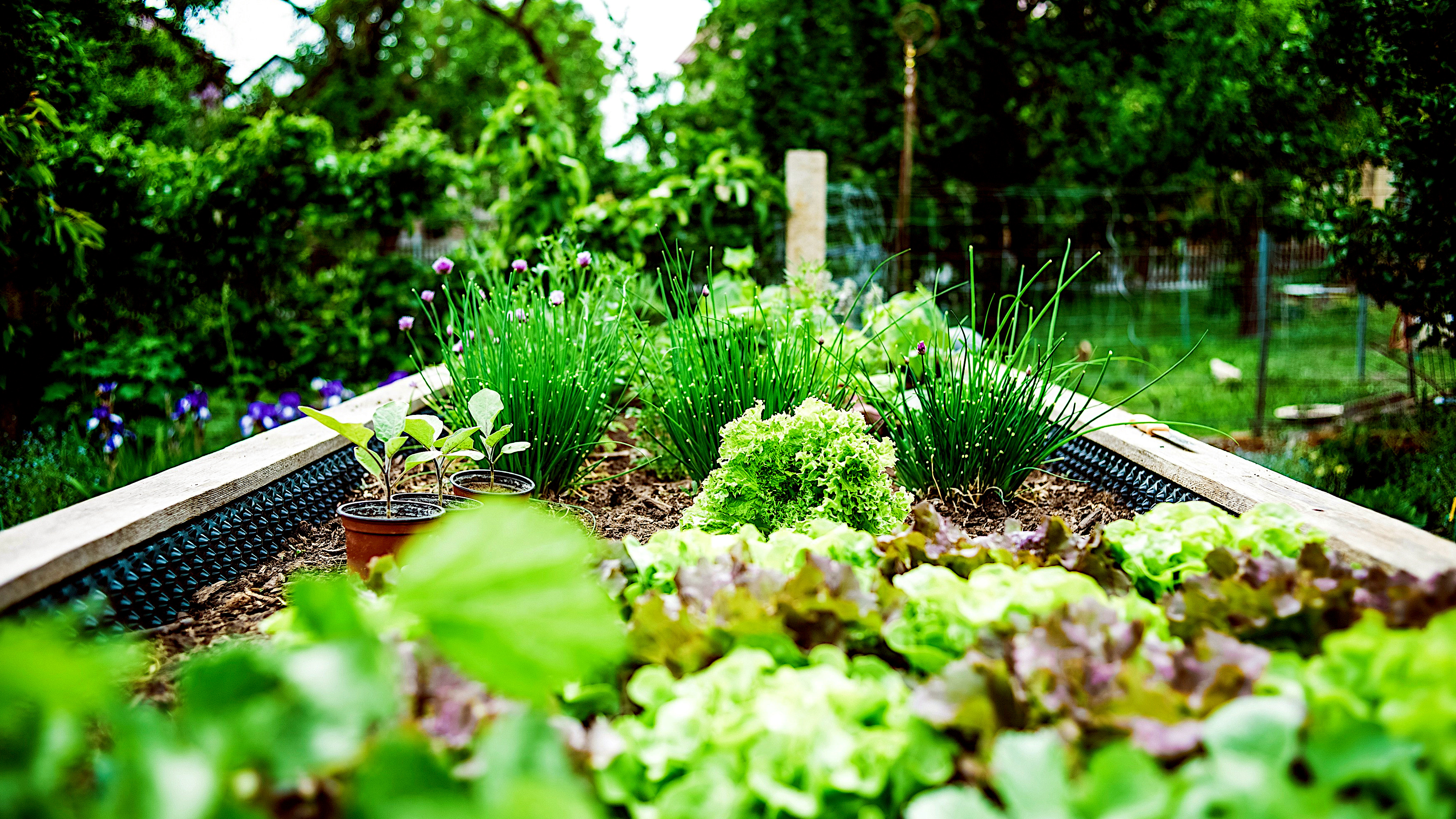
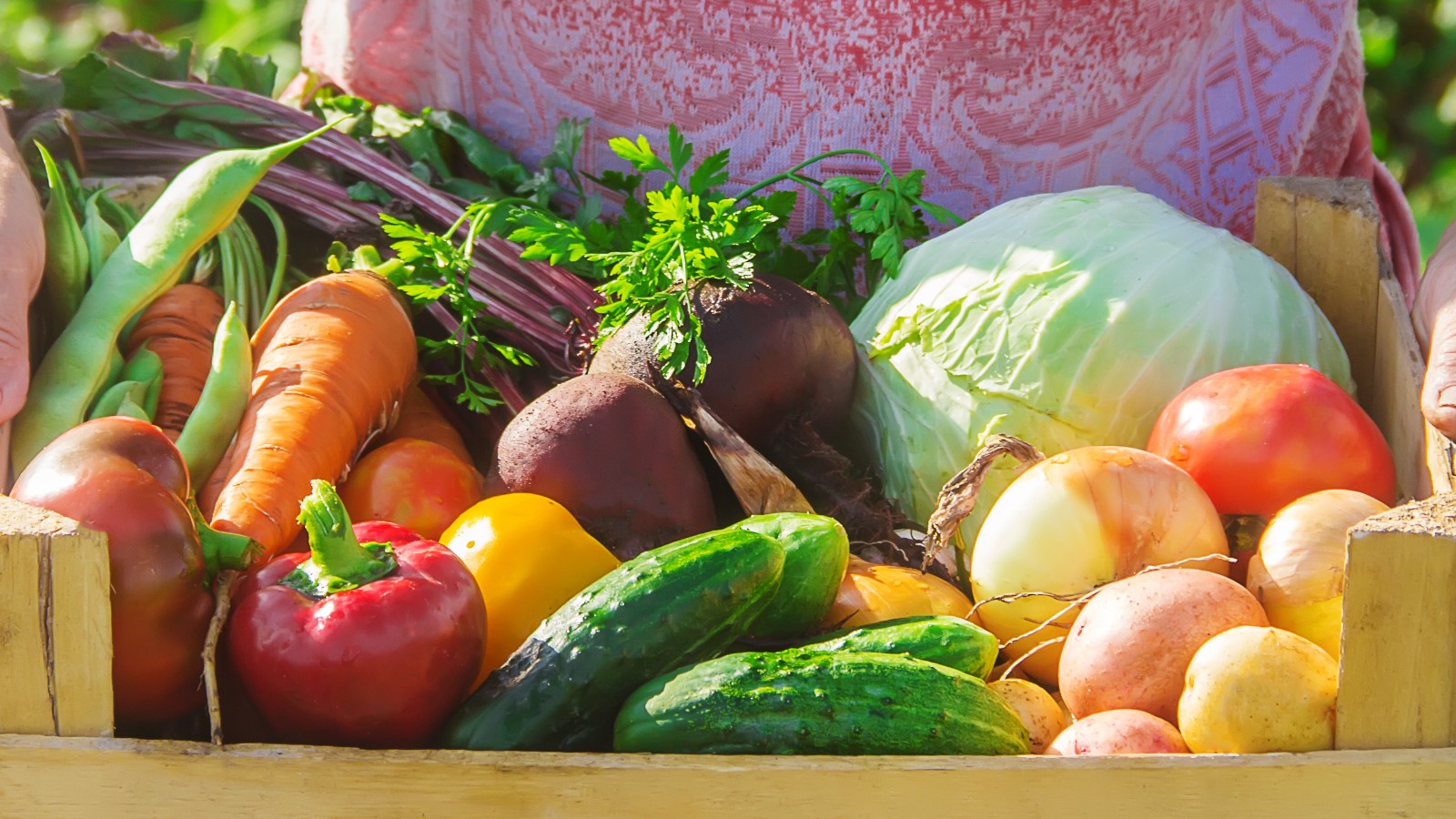
Gardeners often grow more than they can use. Trading allows neighbors to exchange surplus vegetables, herbs, plants, and seeds.
Benefits of trading include:
- Reducing food waste
- Expanding crop variety
- Strengthening community relationships
- Sharing gardening knowledge
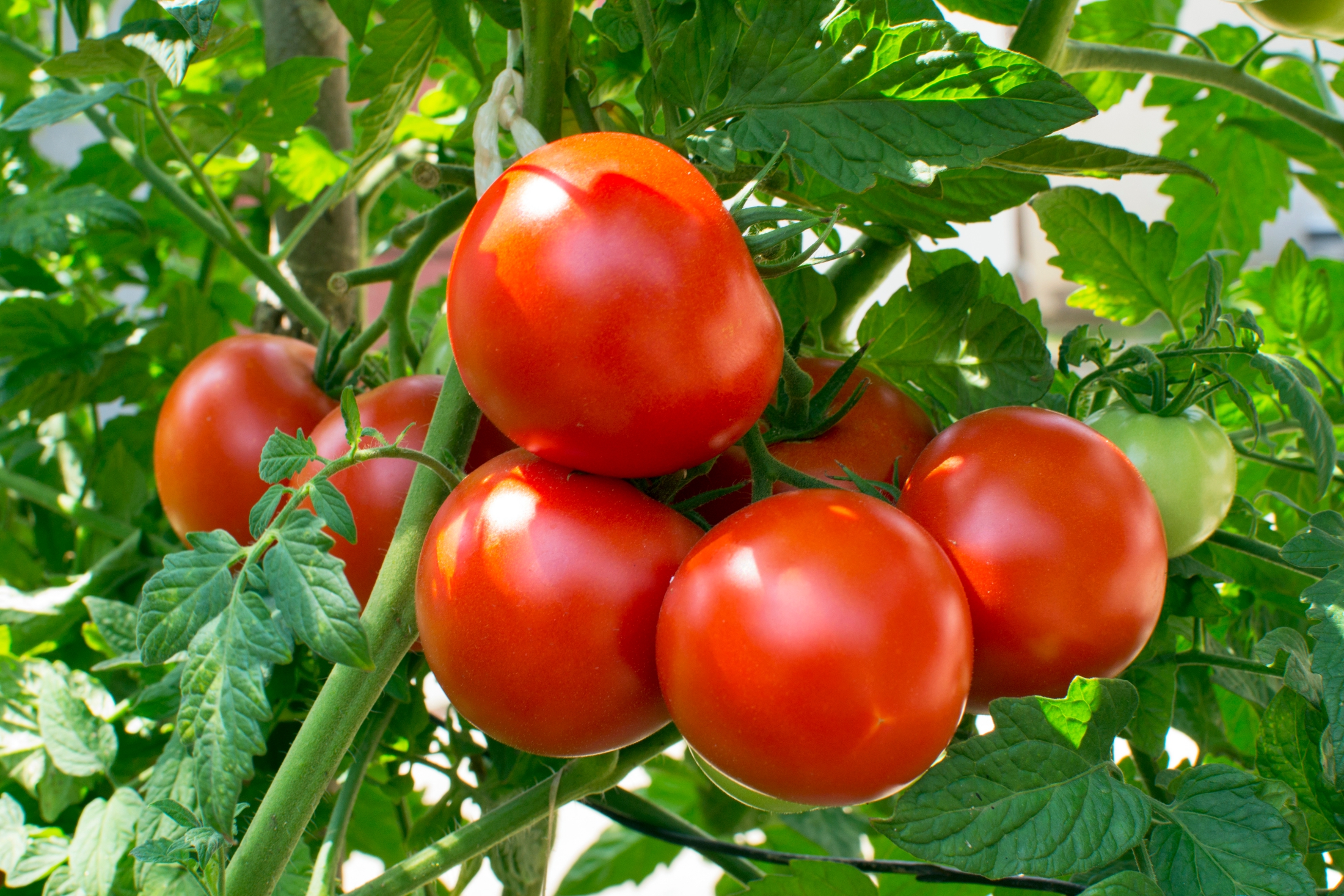
Many gardeners enjoy trading tomatoes for herbs, peppers for cucumbers, or seedlings for seeds.
Good Items for Garden Trades
Common items traded among gardeners include:
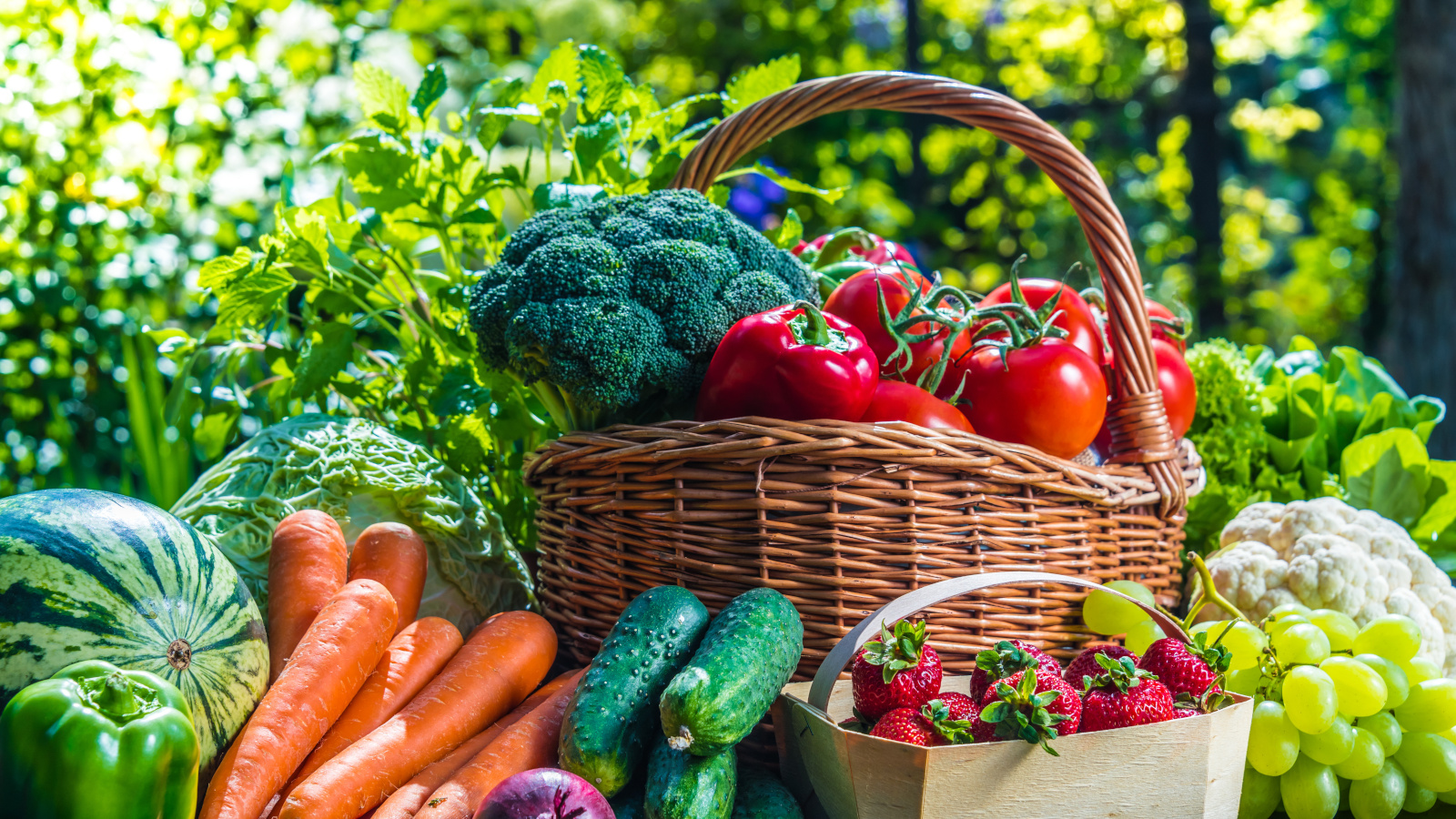
- Fresh vegetables
- Herbs
- Seeds
- Seedlings
- Garden tools
- Compost or soil amendments
Clearly describing the item and quantity helps avoid confusion.
Meeting for Trades
Choose safe and convenient locations for exchanges.
Recommended meeting spots include:
- Community gardens
- Farmers markets
- Public parks
- Well-lit public parking areas
Avoid sharing unnecessary personal information when arranging trades.
Inspect Items Before Accepting
Always look over items before completing a trade.
Check for:
- Healthy plants without pests
- Fresh produce without spoilage
- Clean tools in working condition
If something does not meet expectations, politely decline the trade.
Food Safety Reminder
Homegrown produce can be healthy and delicious, but it is not inspected by government agencies.
Always:
- Wash produce thoroughly before eating
- Store vegetables properly
- Use good judgment when accepting food items from others
Quick Recap
- Trading garden produce helps reduce waste and build community.
- Common trades include vegetables, herbs, seeds, and tools.
- Meet in safe public places when exchanging items.
- Inspect items before completing a trade.
- Wash produce thoroughly before consuming.
Responsible trading helps keep the gardening community friendly, safe, and enjoyable for everyone.