Composting: Turning Kitchen Scraps into Garden Gold
Summary: Composting transforms food scraps and yard waste into nutrient-rich organic matter that improves soil health and plant growth.
Why Compost?
Healthy soil contains organic matter that supports microorganisms and improves plant nutrition. Compost adds valuable nutrients and improves soil structure.
Benefits of compost include:
- Improved soil fertility
- Better water retention
- Reduced need for chemical fertilizers
- Less waste going to landfills
Even small gardens can benefit from composting.
What Can Be Composted?
Many common household and garden materials break down into compost.
Good compost materials
Green materials (nitrogen-rich):
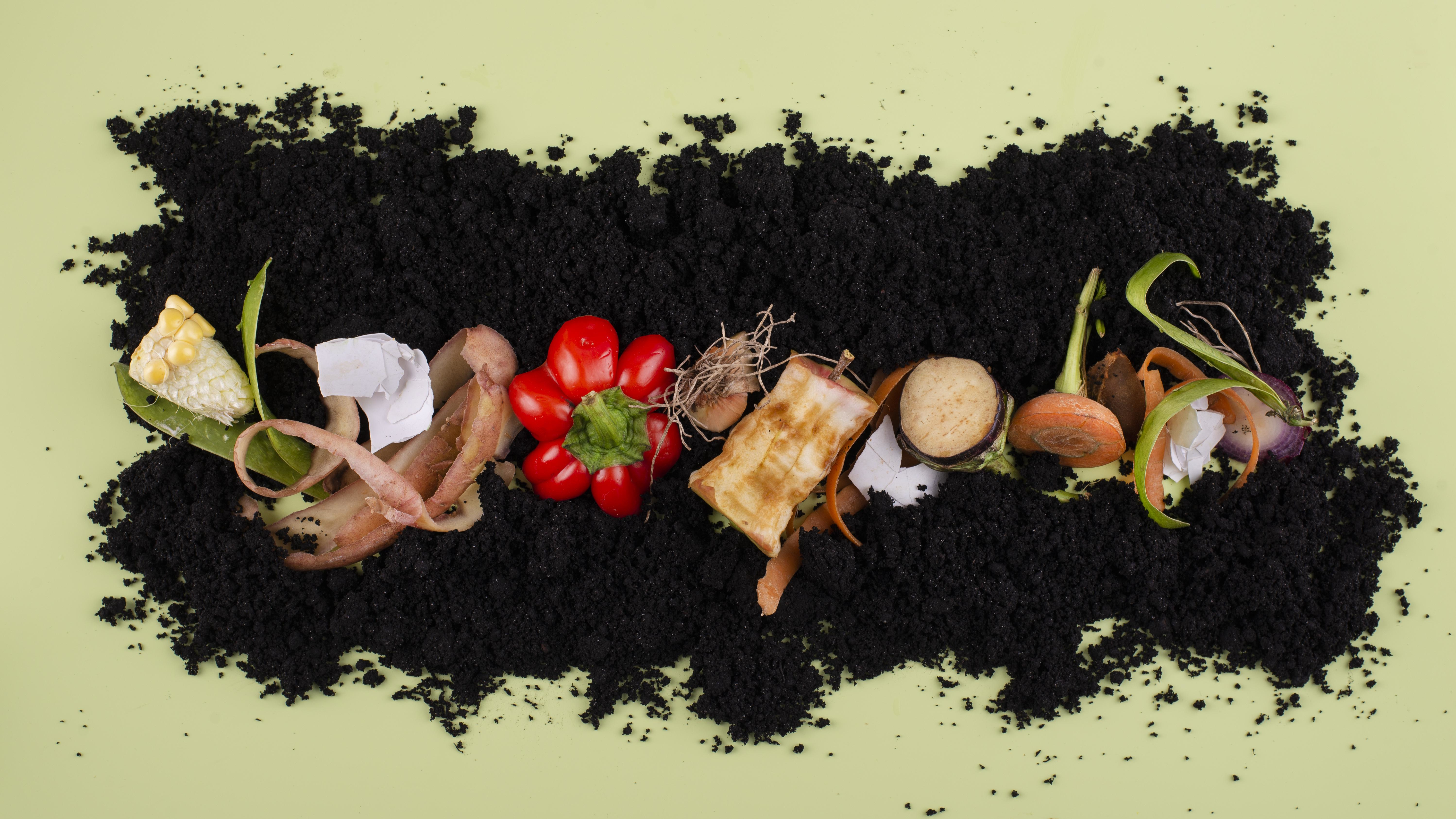
- Vegetable scraps
- Coffee grounds
- Fresh grass clippings
Brown materials (carbon-rich):
- Dry leaves
- Cardboard
- Straw
- Paper
Maintaining a balance between greens and browns helps compost break down efficiently.
What to Avoid
Some materials should not be added to compost piles.
Avoid composting:
- Meat or dairy products
- Oils and greasy foods
- Diseased plants
- Pet waste
These materials may attract pests or introduce harmful pathogens.
How to Start a Compost Pile
- Choose a location with good drainage.
- Add alternating layers of green and brown materials.
- Keep the pile slightly moist.
- Turn the pile occasionally to introduce oxygen.
With proper conditions, compost may be ready in several months.
Using Compost in the Garden
Finished compost should appear dark and crumbly with an earthy smell.
It can be used to:
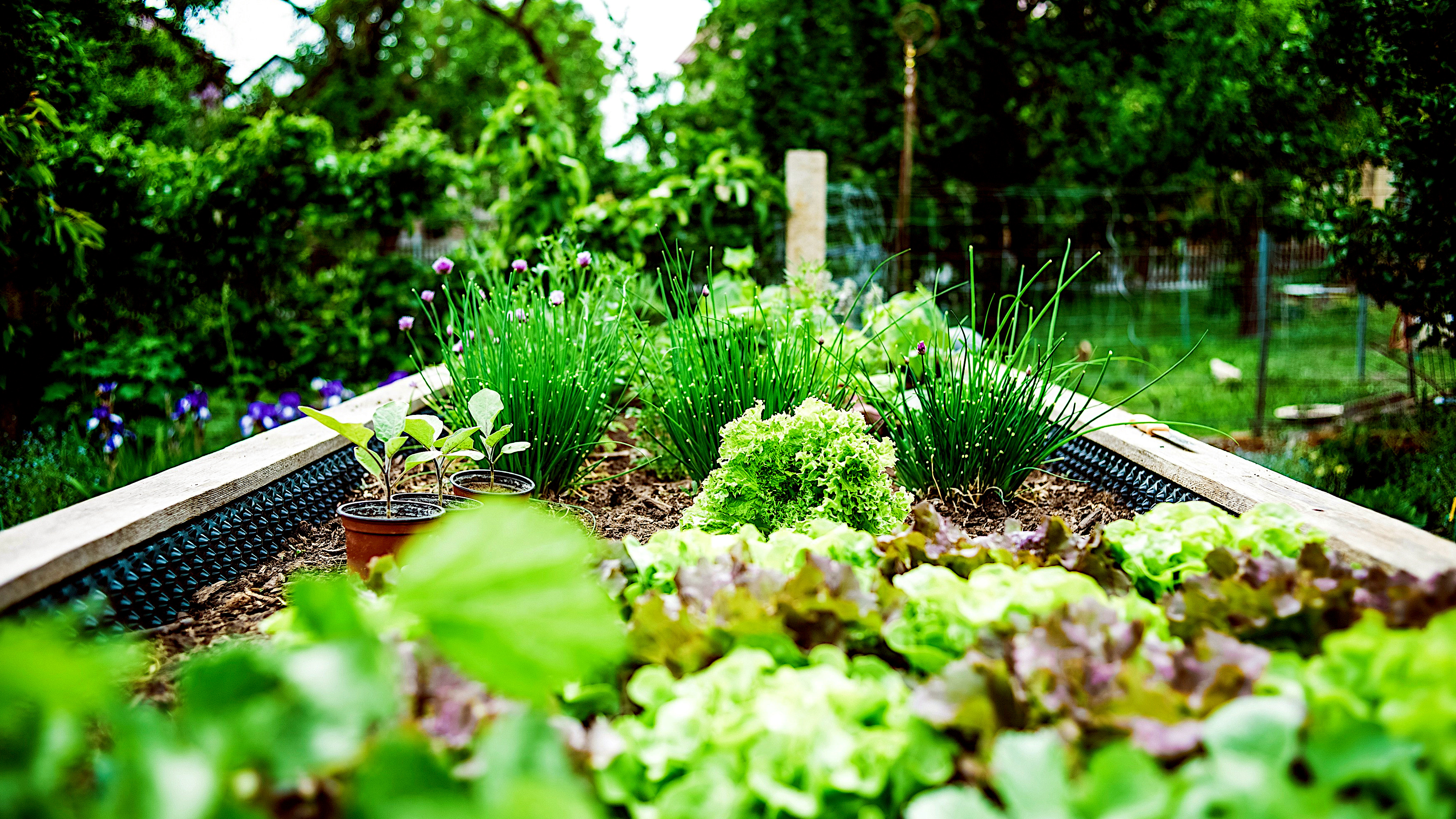
- Enrich raised beds
- Improve garden soil
- Top-dress plants
- Mix into potting soil
Adding compost regularly helps maintain long-term soil health.
Quick Recap
- Compost improves soil fertility and structure.
- Combine green and brown materials for best results.
- Avoid meat, dairy, and oily foods.
- Turn compost piles occasionally for faster breakdown.
- Use finished compost to enrich garden beds.
Composting is one of the easiest ways to improve garden productivity while reducing waste.