Starting Seeds Indoors for a Successful Garden
Summary: Starting seeds indoors allows gardeners to grow strong plants before outdoor conditions are suitable. It extends the growing season and provides better control over plant health and timing.
Why Start Seeds Indoors?
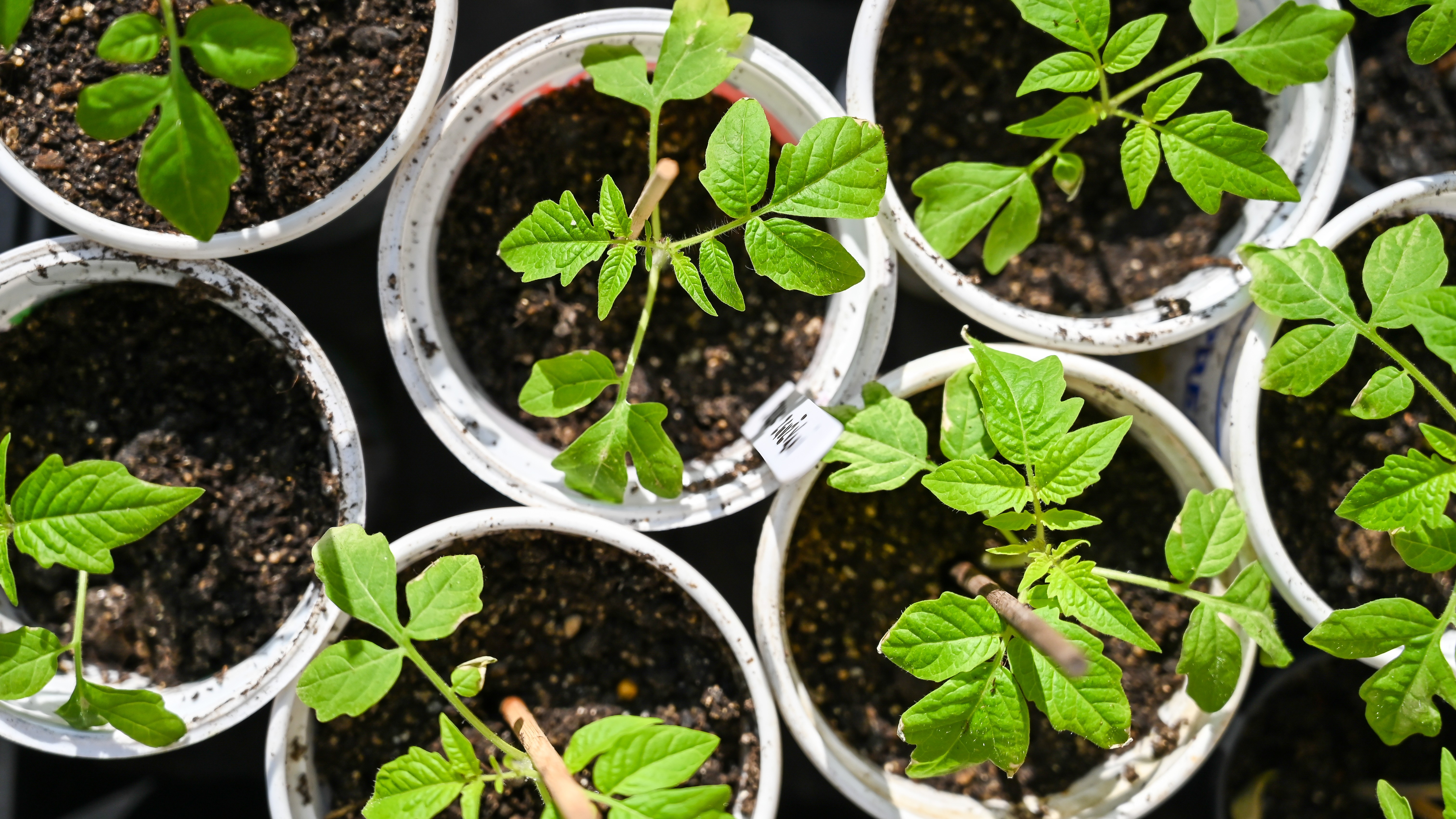
Many vegetables benefit from an early start. By germinating seeds indoors, gardeners can grow larger seedlings that are ready to transplant once outdoor temperatures warm up.
Advantages include:
- Earlier harvests
- Greater plant selection than store-bought transplants
- Lower cost compared to buying seedlings
- Better control of soil and growing conditions
Starting seeds indoors is especially helpful for crops that need a long growing season.
Seeds That Grow Well Indoors
Some vegetables perform especially well when started inside:
Common indoor-start crops
- Tomatoes
- Peppers
- Eggplant
- Broccoli
- Cabbage
- Kale
- Lettuce
Fast-growing plants like cucumbers or squash are usually started directly outdoors.
Supplies You Will Need
Seed starting does not require expensive equipment.
Basic supplies include:
- Seed starting trays or small containers
- Seed starting mix
- Seeds
- Water
- A bright window or grow light
Seed starting mixes are lighter than garden soil and allow roots to develop easily.
How to Start Seeds
- Fill containers with moist seed starting mix.
- Plant seeds at the depth recommended on the seed packet.
- Water gently to avoid disturbing seeds.
- Place containers in a warm location with plenty of light.
Once seedlings emerge, ensure they receive adequate light to prevent them from becoming tall and weak.
Caring for Seedlings
Young plants need consistent care to grow strong.
Important steps include:
- Keep soil moist but not soaked
- Provide 12–16 hours of light daily
- Rotate plants regularly if using a window
- Thin crowded seedlings
Before moving plants outdoors, gradually expose them to outside conditions through a process called hardening off.
Quick Recap
- Starting seeds indoors extends the growing season.
- Tomatoes, peppers, and brassicas are excellent indoor-start crops.
- Use seed starting mix and containers with drainage.
- Provide strong light and consistent moisture.
- Harden off plants before transplanting outdoors.
Healthy seedlings are the foundation of a productive garden.